
Optimal Timing for Tree Removals
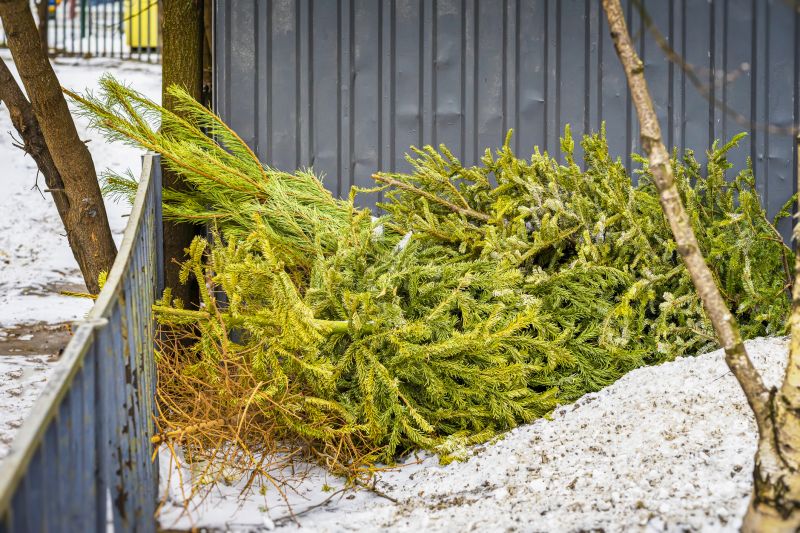
Winter is often ideal for tree removal due to dormant trees and less foliage, making cleanup easier.
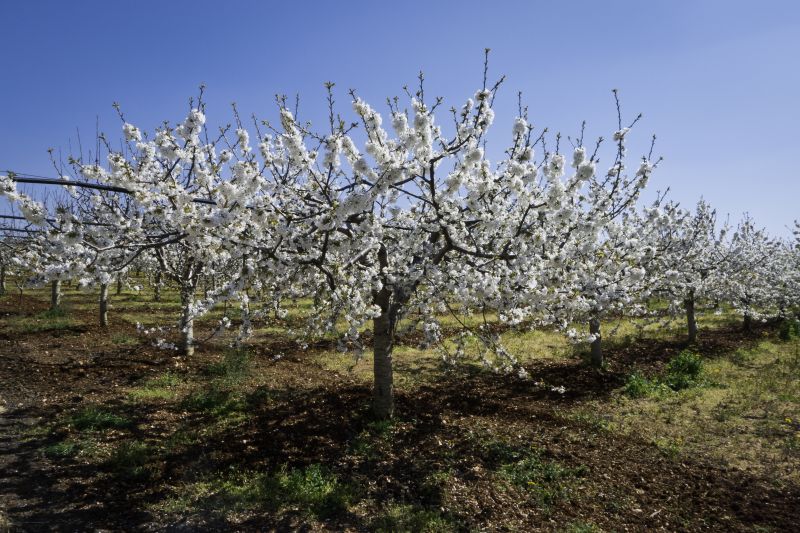
Spring can be suitable when trees are beginning to grow, but it may interfere with flowering or budding processes.
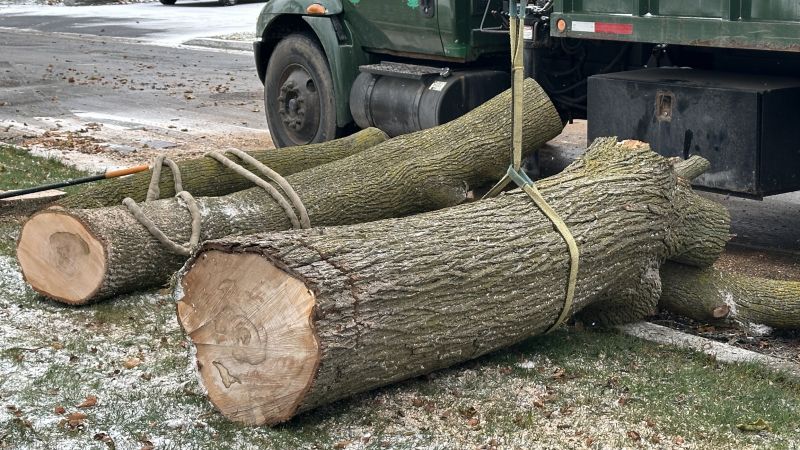
Summer removals are possible but can be challenging due to dense foliage and higher temperatures.
Tree removals are typically performed during the dormant season to minimize disruption to the tree's natural growth cycle. The most common period for these activities is late fall through winter, when deciduous trees have shed their leaves. This timing allows for easier access and reduces stress on nearby vegetation. Additionally, removing trees during this period can reduce the risk of disease spread and pest infestation.
Statistically, over 60% of tree removals in residential areas occur during the winter months. This period also offers safety advantages, as the reduced foliage and leafless branches improve visibility and access for equipment. Proper timing is essential to ensure safety, efficiency, and the health of surrounding landscape elements.
Dormant seasons like late fall and winter are preferred for tree removal projects.
Removing trees during active growth periods can lead to increased stress and potential damage to the landscape.
While possible, these seasons require additional planning due to foliage density and weather conditions.
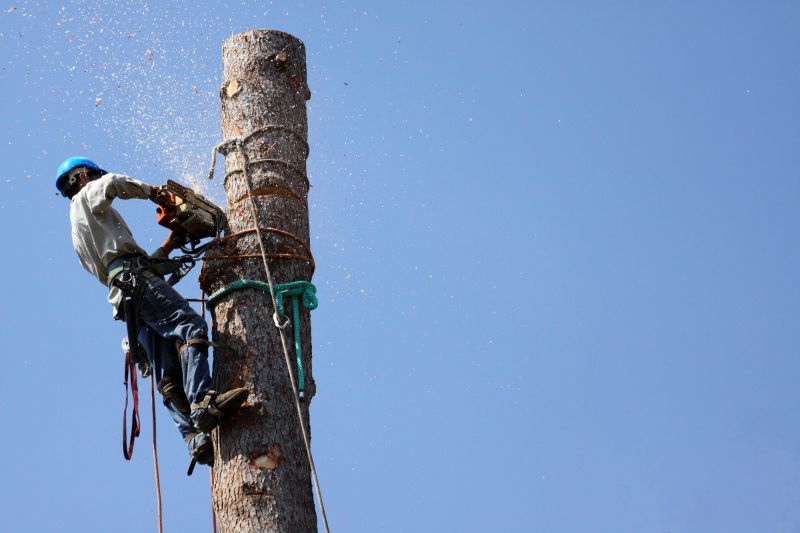
Specialized tools are used for safe and efficient tree removal, especially in winter.
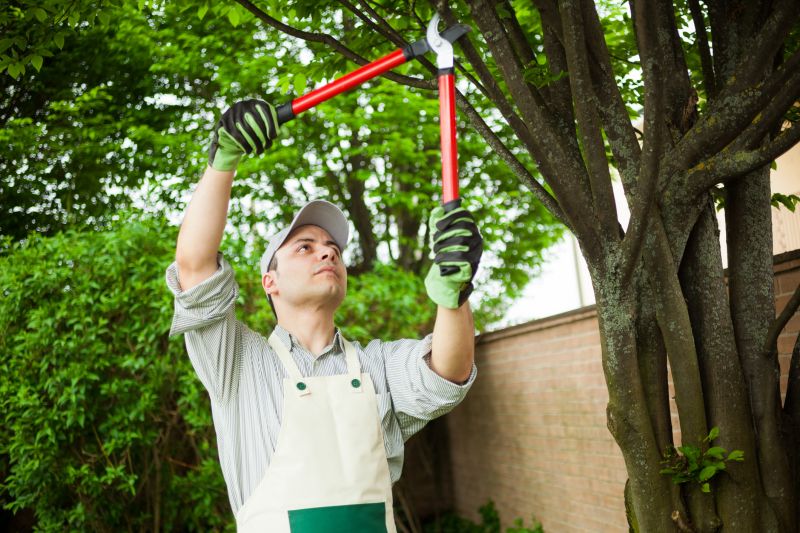
Proper pruning and cutting techniques are essential for safe removal and landscape preservation.
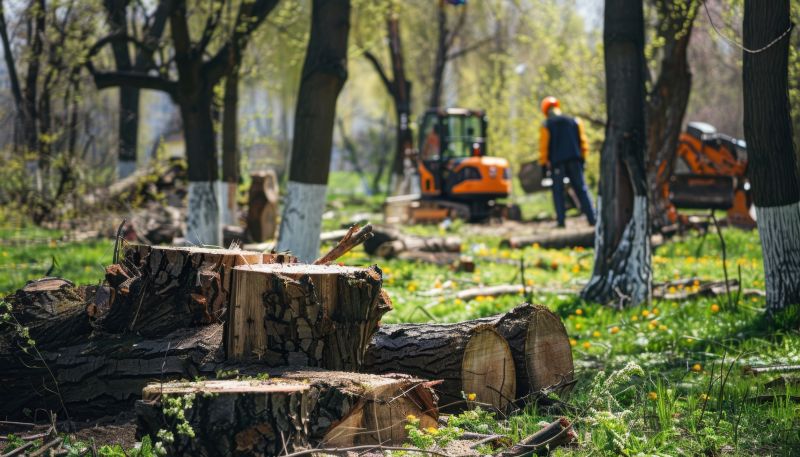
After removal, landscape restoration may include stump grinding and replanting.
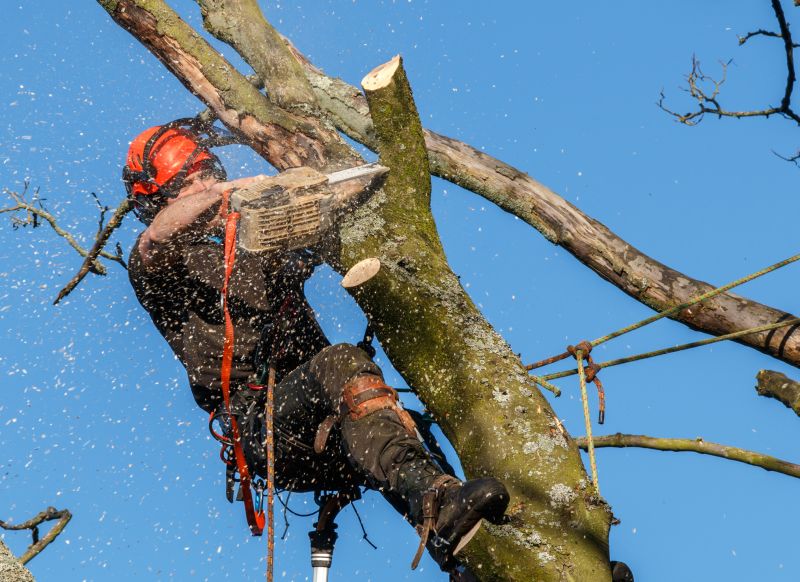
Protective equipment ensures safety during the removal process.
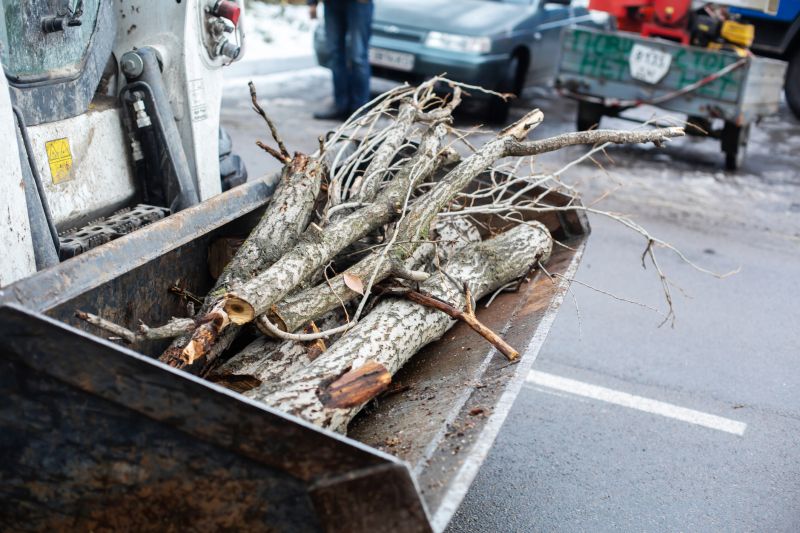
Heavy machinery like cranes and bucket trucks facilitate large or hazardous removals.
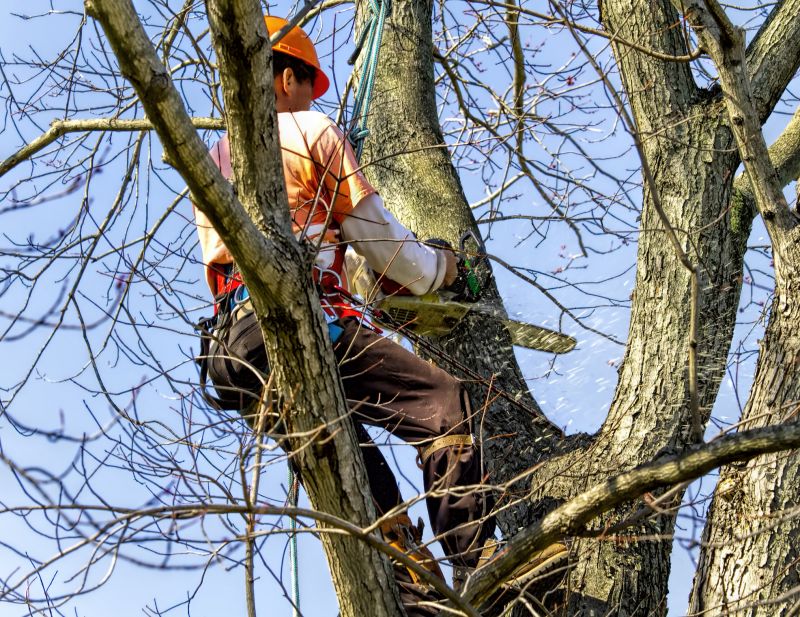
Planning based on seasonal conditions optimizes safety and results.
| Season | Best Practices |
|---|---|
| Winter | Ideal for deciduous tree removal due to dormancy and less foliage. |
| Spring | Suitable if scheduled before active growth begins; avoid during flowering. |
| Summer | Possible but challenging; high foliage density and heat require caution. |
| Fall | Acceptable in early fall; foliage still present but manageable. |
Understanding the optimal timing for tree removal can contribute to safer procedures and healthier landscapes. Consulting with professionals can help determine the best season based on specific tree species and local climate conditions. Proper timing minimizes risks and ensures landscape integrity.
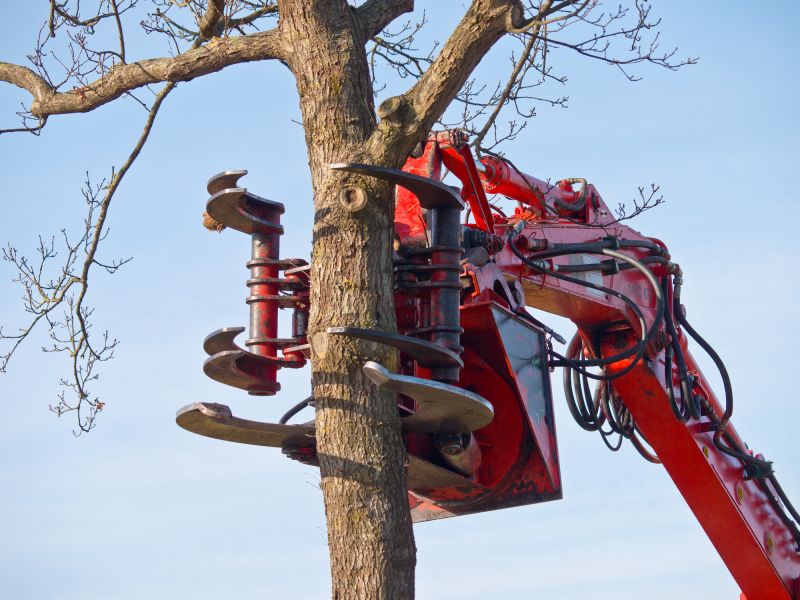
Equipment working efficiently during optimal seasonal conditions.
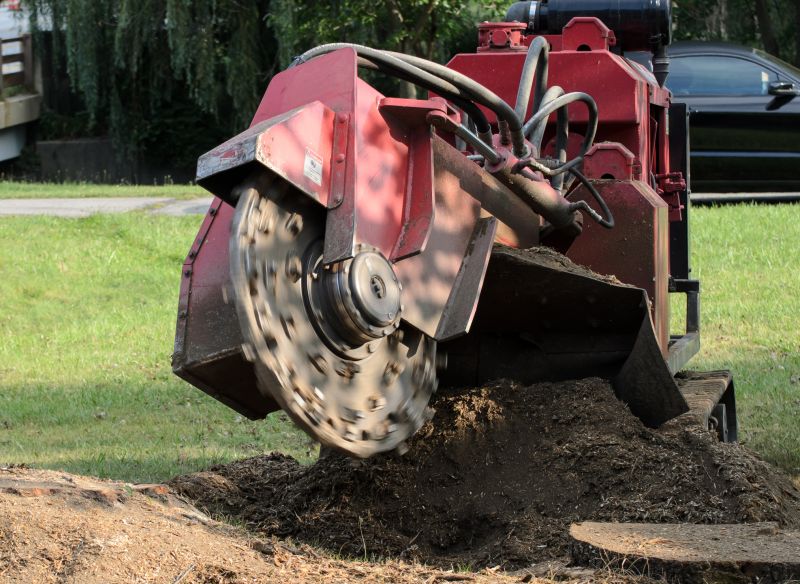
Post-removal process to prepare the site for replanting or landscaping.
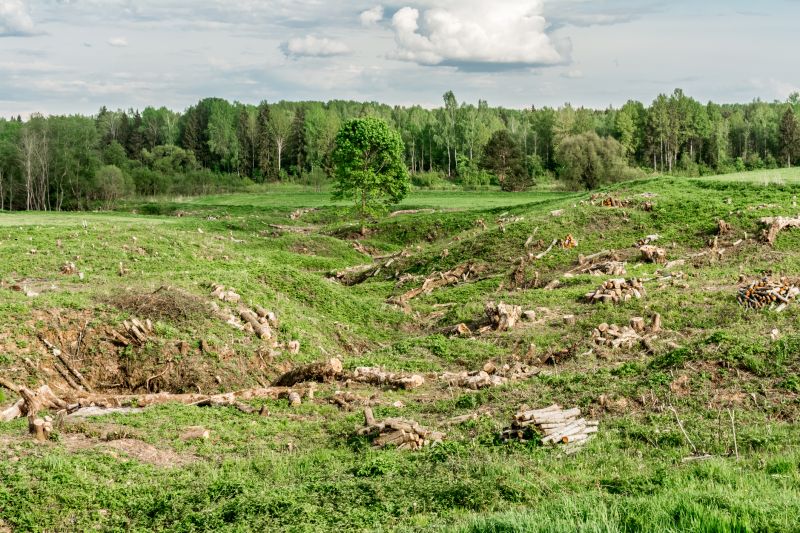
Restoring the area after removal for aesthetic and functional purposes.
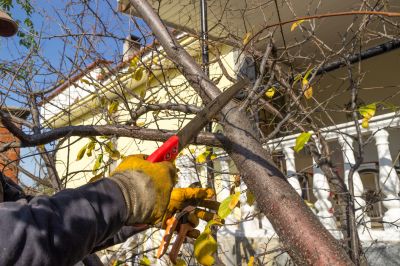
Ongoing care ensures healthy growth and minimizes removal needs.
Interested in scheduling a tree removal? Filling out the contact form can provide more information and help plan the best time for the project. Proper timing and professional assistance ensure safety, efficiency, and landscape health.